
MEMA Projects Aftermarket Growth as Supplier Complexity Increases
The U.S. light-vehicle aftermarket is expected to grow approximately 5% to $457 billion in 2026, supported by consumers keeping vehicles longer. For suppliers, capturing that demand will require managing a broader mix of powertrains while navigating trade uncertainty and increasing repair complexity.
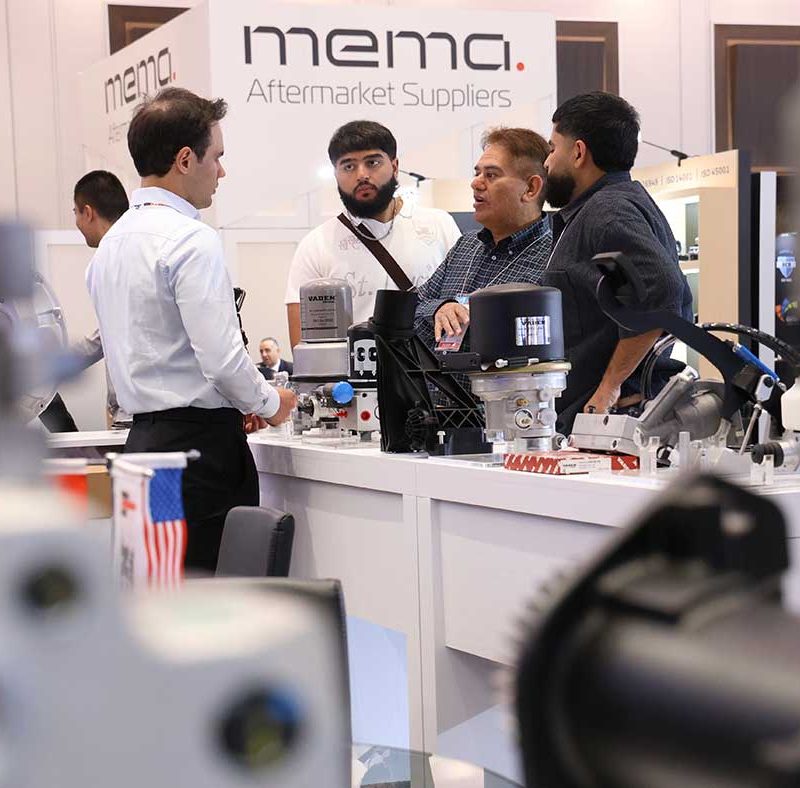
Emily Poladian, president of MEMA Aftermarket Suppliers, outlined those opportunities and challenges during the association’s AAPEX press conference. The market is projected to exceed $521 billion by 2029, she said, with an aging vehicle population supporting continued demand for replacement parts and service.
The U.S. vehicle population is approaching 294 million light vehicles, with an average age of 12.9 years. Poladian expects that average to exceed 13 years next year, extending the need for parts that support older applications.
Affordability remains central to that outlook. Higher new-vehicle prices encourage consumers to repair existing vehicles, even as maintenance costs rise with age. Fuel costs and pressure on household budgets could also lead consumers to postpone service, she said.
“The need to repair vehicles doesn’t go away,” Poladian said. “That’s part of what makes this such a resilient market.”
At the same time, suppliers must prepare for changes in the vehicles entering the aftermarket. A joint powertrain forecast with the Auto Care Association projects hybrids will increase from approximately 17% of new-vehicle sales to 32% by 2035. Battery-electric vehicles are projected to increase from approximately 8% to 25% over the same period.
Those vehicles will join an existing population of internal combustion engine vehicles that continues to require service. For suppliers and distributors, that means supporting older applications while developing coverage for newer technologies.
Trade policy adds another layer to those decisions. Poladian said uncertainty affects sourcing, manufacturing locations, pricing and capital investment. Suppliers need predictable rules that extend beyond a single year to make long-term commitments.
That uncertainty may be weighing on supplier sentiment. Positive sentiment in MEMA’s quarterly barometer declined from approximately 70% to 50% in the third quarter, she said. Poladian suggested tariffs and the challenge of managing those costs throughout supply chains may have contributed, although conversations at the show remained positive.
Access to repair information will also influence the industry’s ability to serve the changing vehicle population. Some replacement components already require a digital connection to the vehicle’s electronic systems, making diagnostic information and tools essential to completing repairs.
Poladian tied right to repair to consumer affordability and the ability of approximately 350,000 businesses and 4 million workers to continue serving vehicle owners. Suppliers also need technical information to develop competitive replacement products, she said.
Training must advance alongside that access. Asked whether the aftermarket can prepare enough technicians to service electrified vehicles, Poladian said the industry needs to support additional training and work with schools preparing technicians.
“The important message is that we need to start preparing now,” she said. “Even if electrification doesn’t happen as quickly as current projections suggest, it’s still coming.”